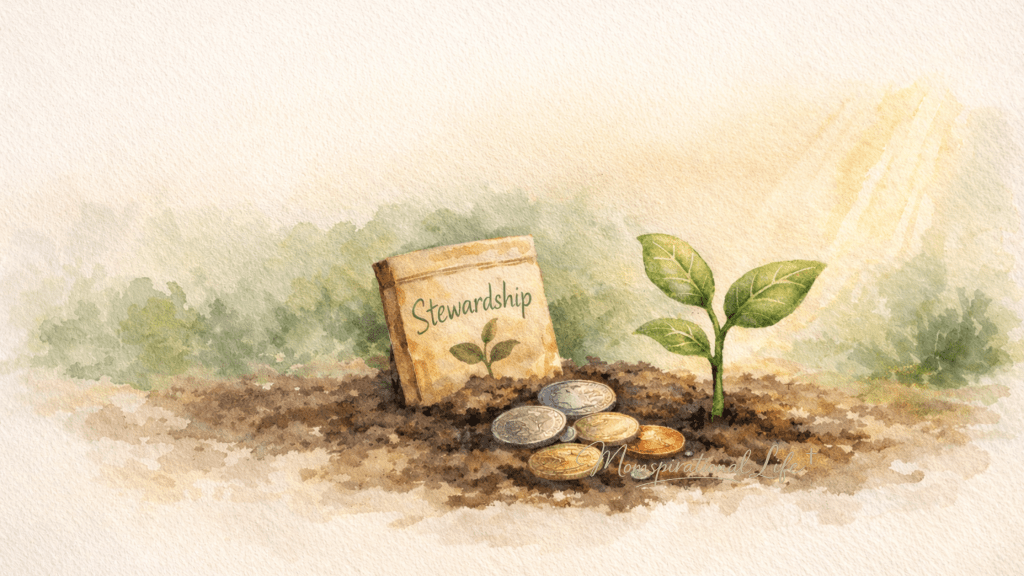
This post is part of the Surrendering Stewardship series, where I share the practical and spiritual journey God has been leading me through as I learn to steward our family’s resources more intentionally.
In this series, I talk about everything from spending habits and emotional shopping to couponing, planning ahead, and learning simple habits that help reduce unnecessary spending.
My hope is that these posts encourage you and offer practical ideas that you can apply in your own home as you steward what God has entrusted to you.
The Ketchup That Was There the Whole Time
Have you ever bought something at the grocery store only to come home and realize you already had it? Maybe it was another bottle of ketchup, an extra jar of peanut butter, or a pantry item that somehow disappeared behind everything else.
I recently had one of those moments while looking for ketchup in our refrigerator. I knew we had a bottle somewhere, but after searching for several minutes, I assumed we must have run out. Later I discovered the bottle sitting upside down and backwards in a spot I did not expect. The ketchup had been there the whole time. I simply could not see it.
That small moment reminded me how easy it is to overlook what is already right in front of us. Yet, over time, those small moments can quietly affect the way we steward our groceries, resources, and spending.
When We Cannot See What We Already Have
Many times, overspending at the grocery store is not necessarily caused by carelessness. Sometimes it happens simply because we are unaware of what we already have in our kitchens.
Food gets pushed to the back of the pantry. Freezer items become buried underneath newer groceries. Condiments hide behind other bottles in the refrigerator.
Before long, we find ourselves standing in the grocery store trying to remember whether or not we already have something at home. Rather than risk running out, we buy another one. Just in case.
Those duplicate purchases may seem small in the moment, but over time, they add up.
Sometimes the issue is visibility.
Learning to Use What We Already Have
Over the past couple of months, life has been especially full in our home. I have been quietly working on a book, helping my husband prepare for job training, and focusing more intentionally on caring for my family and home.
During that time, I also felt God nudging me to be more intentional with the gift He has given me in writing. That has meant learning to be purposeful not only in what I write for a book, but also in what I share here on the blog. Instead of trying to do everything at once, I have been learning to focus on what He has placed in front of me during this season.
Because of that, I naturally stepped back from some of my usual routines, including frequent shopping trips and couponing. Instead of constantly going to the store, I intentionally focused more on using what we already had at home.
That meant pulling from the pantry more often, using ingredients that had been sitting in the freezer, and becoming more creative with meals instead of automatically buying more groceries.
It also pushed me to learn how to make certain foods from scratch. One of the biggest hits in our house recently was homemade tortillas. What started as simply trying to use what we already had turned into something my husband and son genuinely enjoyed. I make sourdough baked goods and breads almost every week.
For nearly two months, I have largely stayed out of the stores and focused on using what we already had available. It has not been perfect, but it has reminded me that stewardship is not always about finding more. Sometimes it is about recognizing the value of what is already in front of us.
Small Habits That Help Me Stay More Aware
One of the simplest habits I have been trying to develop is checking what we already have before planning meals or grocery shopping. Sometimes that means quickly looking through the pantry, opening the freezer, or checking the refrigerator before making a list. Other times it means writing down a few ingredients we need to use before they expire.
I am still learning consistency in this area myself. There are many times when I forget to check things or discover food hiding in the back of the refrigerator that I completely forgot about.
However, even small moments of awareness have helped me become more intentional. Sometimes, seeing what is physically in front of us is very different from simply trying to remember it mentally.
Giving Yourself Grace While Learning Stewardship
If organization, meal planning, or grocery management feels overwhelming, it is important to remember that habits take time to build. Many of us were may not have been taught how to plan meals, track pantry items, or organize groceries in ways that work well for our homes and schedules.
I am still learning, too.
Even though I am writing about surrendering stewardship, this is still a significant area where God is teaching me and helping me grow. Being intentional with how I spend, shop, plan, and steward what we already have does not always come naturally to me. Like many habits, it requires practice, awareness, and a willingness to keep trying even when I fall short.
Some weeks go smoothly, and other weeks life feels chaotic enough that planning falls apart completely. That does not mean we have failed. It simply means we are still growing.
What has helped me most is starting small.
Sometimes stewardship begins with something as simple as checking the pantry before grocery shopping or deciding to use what we already have for dinner one extra night that week.
Small steps matter.
Over time, those small choices slowly become habits.
Why This Matters for Stewardship
When we think about stewardship, we often think about money. But stewardship also includes how we manage the resources already inside our homes.
Food, groceries, household supplies, and even leftovers are all part of what God has entrusted to us. Learning to use what we already have, reduce unnecessary waste, and plan more intentionally are small but meaningful ways we can steward those resources faithfully.
Stewardship is not always found in big financial decisions. Sometimes it is found in everyday choices happening quietly in our kitchens.
Looking Ahead in This Series
As I continue learning about stewardship, one area that has challenged me the most is learning how to shop strategically without constantly feeling the need to chase every deal, even if it is on sale or a coupon makes it “free.”
In the next post of this series, I will share how I coupon strategically without extreme couponing and how intentional shopping can help us steward our resources wisely without feeling consumed by the process.
Part of the Surrendering Stewardship Series
Part 1: How God Changed My Heart About Spending and Saving (read here)
Part 2: From Emotional Spending to Intentional Planning (read here)
Part 3: Learning to Steward What Is Already in Front of Us (this post)
Part 4: How I Coupon Strategically Without Extreme Couponing (coming next)
Part 5: Planning Ahead to Reduce Grocery Spending (coming soon)
With Love,
Tabitha








Leave a Reply