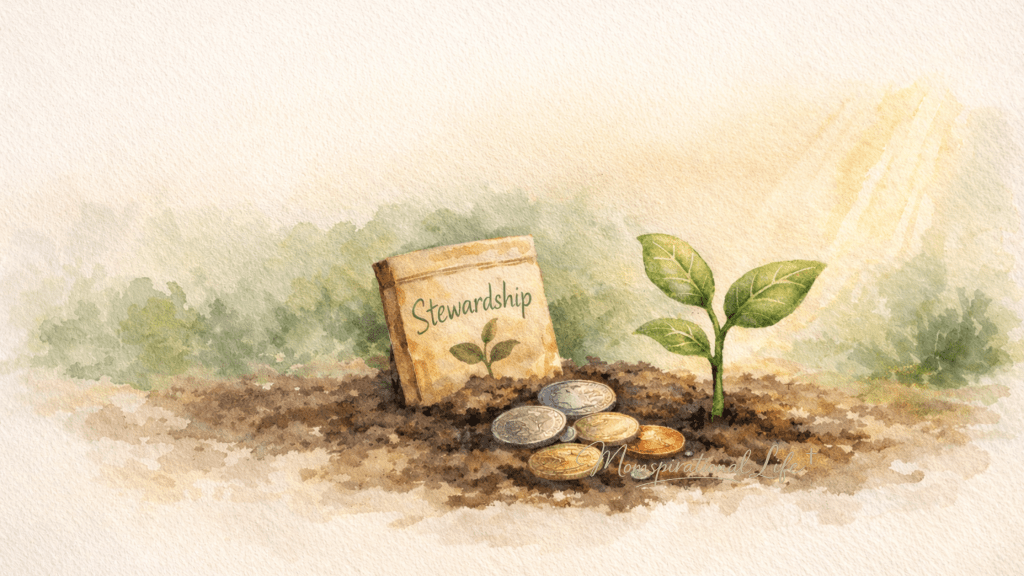
Beginning the Surrendering Stewardship Journey
This post is part of the Surrendering Stewardship series, where I share the practical and spiritual journey God has been leading me through as I learn to steward our family’s resources more intentionally. In this series, I talk about everything from spending habits and emotional shopping to couponing, planning ahead, and simple systems that help me stay organized and avoid unnecessary spending.
My hope is that these posts encourage you and offer practical ideas that you can apply in your own home as you steward what God has entrusted to you.
When Spending Is Tied to Emotions
As I shared in the first post of this series, one of the things I began to notice about my spending habits was how often they were connected to my emotions.
When life felt overwhelming, stressful, or uncertain, shopping sometimes became a quick way to feel a small sense of control. Buying something could bring a moment of relief or comfort, even if the feeling did not last very long.
Even when the purchases were practical or on sale, the habit itself was often rooted in emotion rather than intention. I did not always recognize it at the time. It was something I began to see more clearly only after stepping back and reflecting on my habits.
Many people experience emotional spending in different ways. For some, it may show up as frequent online shopping. For others, it might look like impulse purchases during grocery trips or picking up things that were never part of the original plan.
Often, the purchase itself is not the problem. It is the motivation behind it.
Recognizing the Pattern
As I became more aware of my habits, I began to notice patterns in when and why I shopped. Certain situations seemed to trigger the desire to buy something, even if it was not truly needed.
Sometimes it happened during stressful seasons. Other times it appeared when I felt discouraged, overwhelmed, or emotionally drained. Shopping became an easy response when those feelings surfaced.
Over time I realized that simply trying to stop spending was not the real solution. The deeper change needed to happen in how I responded before I ever reached the store.
When the Temptation Still Returns
Even though I now understand some of the roots behind my spending habits, that does not mean the struggle has completely disappeared. There are still moments when the temptation to spend resurfaces.
Sometimes, the best decision I can make in those moments is simply staying home. Avoiding unnecessary trips to the store removes the opportunity for impulse spending, but it also creates space to slow down and reflect on what may really be going on in my heart.
When those feelings surface, I often see it as a signal that God may be inviting me to spend more time in prayer and reflection. Instead of reacting to the feeling by purchasing something, I try to pause and examine what may be happening internally.
Taking that step back helps me realign my perspective. It reminds me that stewardship is not only about managing money well, but also about examining the condition of my heart.
Redirecting the Focus of Stewardship
When I take time to reflect instead of reacting, my focus begins to shift. Instead of thinking about what I might want to buy, I begin thinking about how the resources God has entrusted to us can be used more faithfully.
That may mean providing well for our household, being generous to others who are part of the journey God has placed in our lives, or supporting work that advances His kingdom. Stewardship becomes less about restriction and more about purpose.
Learning to pause has helped me see that money is not just something we spend. It is something we are entrusted with for a greater purpose.
Building Habits of Intentional Planning
One of the most helpful changes I began making was learning to plan ahead.
While I appreciate tools like autopay, I sometimes take it a step further and what I jokingly call “God-pay.” When payday arrives, I often go ahead and pay bills that are not due until later in the month. Taking care of those responsibilities first removes the temptation to spend money that already has a purpose.
Organization has also been an area where I have slowly grown. I am still learning and improving, but small systems have helped me build better habits over time.
Inventory checklists, grocery planning sheets, and kitchen planning tools have helped me think more intentionally about what we already have and what we truly need.
One of the first habits I started was tracking what we had in our pantry, freezer, and refrigerator. Each week I try to check what we already have before deciding what to buy. Sometimes seeing the food in front of me is different from simply seeing it on a list.
Just recently I was looking for ketchup in the refrigerator. I knew we had a bottle, but I could not find it anywhere. After a few moments of searching, I discovered the bottle had somehow been placed upside down and backwards in a spot I did not expect. I had the ketchup the whole time. I simply could not see it.
That small moment reminded me how easy it is to overlook what we already have.
Small Steps Toward Better Stewardship
Learning to steward money well has not been about making one dramatic change. Instead, it has been a series of small steps taken over time.
Paying attention to emotional triggers, slowing down before spending, planning ahead, and organizing what we already have have all helped shape new habits.
None of these changes happened overnight, but each small step has made a meaningful difference.
Stewardship is often built through small, consistent choices.
Looking Ahead in This Series
One of the most practical things that helped me break the cycle of impulse spending was learning to organize and plan our household needs more clearly.
When you know what you already have and what you truly need, it becomes much easier to avoid unnecessary purchases.
In the next post, I will share how simple kitchen organization can make a surprising difference in reducing grocery spending and helping you shop more intentionally.
🌱
Part of the Surrendering Stewardship Series
Part 1: How God Changed My Heart About Spending and Saving (read here)
Part 2: From Emotional Spending to Intentional Planning (this post)
Part 3: Before You Buy Another Mustard: Why Kitchen Organization Matters (coming next)
Part 4: How I Coupon Strategically Without Extreme Couponing (coming soon)
Part 5: Planning Ahead to Reduce Grocery Spending (coming soon)
With love,
Tabitha






 Momspirational Life
Leave a reply to Surrendering Stewardship: How God Changed My Heart About Spending and Saving Money – Momspirational Life Cancel reply